

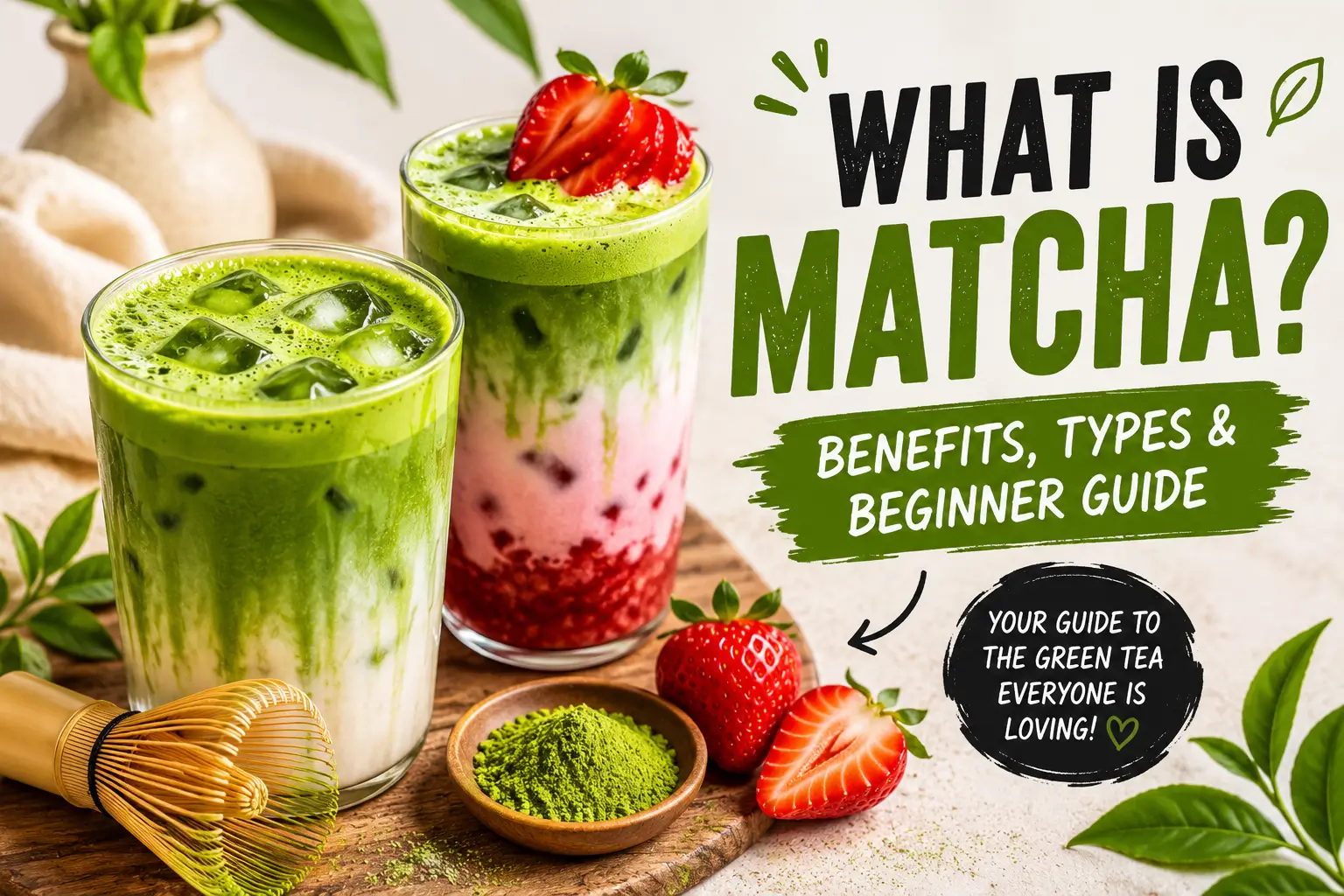
Just a few years ago, most people had never heard of matcha. Now, millions of people drink it every single day, and the global market of matcha is expected to grow into a multi billion dollar industry in the next few years.
For a simple green tea powder that was once mostly used in traditional Japanese tea ceremonies to world recognized tea.
Without exaggerating, matcha is everywhere today. You see it in Starbucks, coffee shops, smoothies, desserts, protein shakes, and even skincare products.
On TikTok alone, videos about matcha have gained billions of views as more people search for healthier drinks that can replace sugary coffee drinks and energy boosters.
But here is what surprises many beginners, matcha is not like regular green tea, where the leaves are soaked in water and thrown away, matcha is made from finely ground green tea leaves that you actually drink.
That means you consume the whole leaf, which is one reason matcha has become so popular among people looking for more antioxidants, smoother energy, and a healthier daily routine.
Still, many people are confused about what matcha really is, what it tastes like, and whether it is actually worth trying.
Some people love it instantly. Others buy the wrong type and wonder why it tastes bitter. And with so many matcha drinks trending online, it can feel hard to know where to start.
If you have been curious about matcha but want a simple and honest explanation without all the complicated words, this guide will help you understand everything you need to know.
From what matcha is, the different types available, its possible health benefits, popular ways people use it today, and how to get started as a beginner.
Without further ado, let’s dive in.
What Is Matcha? And What You Need to Know
Before talking about the matcha benefits or strawberry matcha combination drinks, it is great to understand what the word “matcha” actually means.
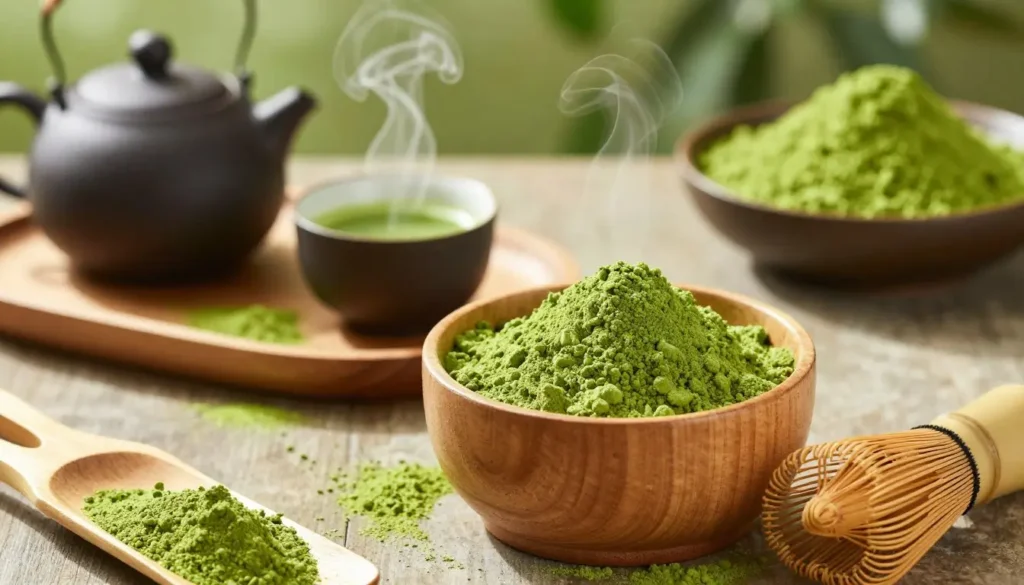
The word matcha comes from two Japanese words, the “Ma” which means ground or rubbed, while the “cha” means tea.
So when you put the both words together, it sounds macha or matcha which simply means ground tea or powdered tea.
And that simple meaning explains what makes matcha different from most teas people drink every day.
With regular green tea, which the leaves are soaked in hot water and then removed. But with matcha, the tea leaves are carefully steamed, dried, and cleaned, making it at this time tencha. Then ground into a very fine green powder, so you have nothing to throw away, you mix the powder directly into water or milk and drink the whole thing.
Matcha is usually made from specially grown green tea leaves of Camellia sinensis plant that are shaded from sunlight before harvesting giving matcha its deep green color and smoother taste.
Its originally comes from ancient tea fields in China. In the Tang Dynasty, tea leaves were steamed and made into bricks, for easy transport and trade.
This tradition moved to Japan with Zen Buddhist monks. Where they saw tea as a tool for meditation, and over time, drinking tea became a spiritual ceremony in Japan.
But today, people enjoy it in many different ways you can learn from my 10 easy matcha drinks recipes, from hot tea and iced lattes to smoothies, desserts, and even strawberry matcha drinks that have become extremely popular online.
One of the things you will notice as a beginner, is that matcha tastes very different from regular green tea.
Good quality matcha has a smooth, slightly earthy flavor with a soft natural sweetness, while lower quality matcha can taste more bitter, which is why choosing the right type matters, especially if you are just getting started.
And despite all the hype online, matcha is actually pretty simple at its core.
It is just green tea leaves turned into a fine powder, prepared in a different way, and enjoyed for both its taste and potential health benefits.
Types of Matcha and Which One You Need
One of the main reasons why many first time users get disappointed or confused with matcha is because they probably buy the wrong type of matcha, they try one matcha drink, think it tastes too bitter, fishy, or grassy, and immediately assume matcha is not for them.
But the truth is, not all matcha is the same.
Some types are made for drinking on their own, while others are better for recipes, smoothies, or sweet drinks like strawberry matcha lattes. Once you understand the difference, choosing matcha becomes much easier.
Here are the main types of matcha you will usually see.
1. Ceremonial Grade Matcha
Ceremonial grade matcha is usually considered the highest quality matcha you can buy.
It is made from younger tea leaves that are carefully grown and harvested to create a smoother and more balanced flavor, the powder is often bright green, soft in texture, and less bitter compared to lower or other types of matcha.
This is the type that is commonly and traditionally used in Japanese tea ceremonies, which is where the name comes from.
Most people drink ceremonial matcha with just water, because the flavor is delicate enough to stand on its own. You do not need syrups, sweeteners, or flavored creamers to enjoy it.
A good ceremonial matcha can taste smooth, fresh, slightly grassy, mildly sweet, creamy or rich.
That is one reason many people who switch from coffee enjoy it in the morning, the taste feels cleaner and lighter once you get used to it.
Popular ceremonial matcha brands include, Ippodo Tea and Marukyu Koyamaen
These matcha brands are well known for high quality Japanese macha and are often recommended by longtime matcha drinkers.
Ceremonial grade matcha is usually more expensive, but if you want the most traditional and smooth tasting experience, this is often the best place to start. If you understand this, let’s move to the next type.
2. Culinary Grade Matcha
This type is made for mixing into drinks and recipes rather than drinking plain, because the flavor is stronger, bolder, and slightly more bitter, which actually works well when combined with milk, fruit, chocolate, vanilla, or sweeteners.
Culinary Matcha type is commonly used in, matcha lattes, iced matcha drinks, smoothies, matcha pancakes, matcha cookies, matcha ice cream and strawberry matcha lattes.
And honestly, this is where many beginners first fall in love with matcha.
A sweet iced strawberry matcha latte or vanilla matcha drink can feel much easier and more enjoyable for someone who is completely new to the matcha taste.
Culinary matcha is also more affordable, so many people use it daily without spending too much money.
Popular culinary matcha brands include, Jade Leaf Matcha, Matcha Extreme, MatchaBar, Chamberlain Coffee
One important thing to know is that culinary grade does not mean “bad” matcha. It is simply designed for recipes, lattes, and beginner friendly matcha drinks.
3. Premium Matcha Grades
You can think of it as the middle ground, as this type of matcha sits between ceremonial and culinary grade.
It usually tastes smoother than culinary grade matcha but costs less than ceremonial grade. That balance makes it popular for people who want good quality matcha for everyday use.
Many people use premium matcha for, daily morning drinks, iced matcha, light lattes, work routines and afternoon energy boosts.
It is often a smart choice if you want matcha regularly without paying premium ceremonial prices every time.
Popular premium matcha brands include, Naoki Matcha, Golde and Matcha Extreme
Many beginners like premium matcha because it feels easier to enjoy daily while still giving a smoother taste than basic culinary powders.
So, Which Matcha Is Best for Beginners?
If you are just getting started, you honestly do not need the most expensive ceremonial matcha online.
A lot of beginners make that mistake and end up spending too much before they even know what type of matcha they enjoy.
For most people, a premium matcha is usually the best starting point because it gives a good balance between quality taste, price and everyday usability.
If you want something beginner friendly that works well in smoothies, iced drinks, and daily routines, Matcha Extreme can be a practical option to start with.
It is designed for daily use and works especially well for people who enjoy flavored matcha drinks instead of drinking plain matcha with only water.
And if you already know you love stronger cafe style drinks like strawberry matcha lattes or iced vanilla matcha, starting with culinary or premium matcha will probably feel easier and more enjoyable.
One simple trick when buying matcha is to check the color, fresh matcha usually looks vibrant green. If the powder looks dull, yellowish, or brownish, the flavor may taste flat or overly bitter.
Matcha benefits – What Is Matcha Actually Doing To Your Body?
Yes, you might have come across different matcha articles which are telling you the same things. Antioxidants. Weight loss. Good for your skin. And while none of that is wrong, it is also the same list that has been copied and pasted across the internet so many times making it lose its meaning.
So, let us talk about what matcha is actually doing to your body, the benefits users are genuinely noticing in their day to day lives, and nobody really warned them about it before they started drinking it.
1. It Might Actually Help You Sleep Better
Yeah, this part sounds confusing at first because matcha has roughly about 70mg caffeine on each cup, so naturally, you would expect it to keep you awake the same way coffee sometimes does.
But that’s not it, many people notice the opposite after switching.
And the reason mostly comes down to a compound called theanine, a natural amino acid found in matcha. So, instead of making you feel overly wired or jittery, it helps balance out the caffeine making the energy feel calmer and smoother.
That is why a lot of people say matcha gives them energy without making them feel stressed out afterward.
But with coffee, you sometimes feel the spike fast. Then later comes the crash, the anxiety, or that tiredness that brings restless feelings at night.
Matcha usually feels more steady, and honestly, that is one reason many people stay loyal to it once they get used to it.
2. Your Gut Will Notice Before Your Brain Does
This is one of the most talked about matcha experiences in wellness communities online, some regular matcha drinkers say that after a few weeks, they begin noticing less bloating and more comfortable digestion.
Researchers believe this may be connected to the natural plant compounds in matcha called polyphenols, which may help support a healthier gut environment.
And your gut affects much more than digestion alone, as it also connects to energy levels, mood, immune function, skin health and overall wellness.
That is one reason gut health has become such a big topic in wellness communities recently, and matcha has quietly become part of that conversation too.
3. It Helps You Feel Focused Without Feeling Wired
Staying more focused is probably one of the biggest differences people notice after switching from coffee or regular green tea to matcha.
A lot of users’ feedback say they can work longer, study better, or stay productive without constantly reaching for another drink every two hours.
And honestly, that calmer type of focus is hard to explain until you experience it yourself.
Research on green tea compounds has also looked at how they may support attention, memory, and mental performance, which helps explain why matcha is popular with students, creators, and people who spend long hours working mentally.
4. It May Help You Fight Stress in the Background
Stress is one of the things most of us are managing every single day, and we have largely accepted it as just part of life.
But what many matcha drinkers start noticing after a few weeks of drinking it consistently is that their baseline stress level feels slightly lower. Not dramatically different, but like the volume on their anxiety has been turned down, without them doing anything specific about it.
In 2023 an analysis published in Current Research in Food Science shows that matcha consumption may help decrease both stress and anxiety largely, due to its high theanine content, which directly influences the production of dopamine and serotonin.
These are the two neurotransmitters most responsible for how balanced, regulated, and emotionally steady you feel on any given day.
This is not a match fixing your stress, but it is quietly supporting the systems in your body that handle stress, so they do not feel so overwhelmed all the time.
5. Your Skin Gets Quieter
From matcha communities in reddit, people who drink matcha consistently for several months frequently report that their skin looks more less inflamed, and calmer overall.
It is not an overnight transformation and it is not magic, but the slow and steady reduction in inflammation that builds over time is very genuine.
Less inflammation in the body almost always shows up on the skin eventually. Matcha consumers see it, and once they make that connection, the daily cup starts feeling like skincare from the inside out.
6. It Supports Your Immune System
Matcha’s anti-inflammatory properties actively support a well functioning immune system.
But the deeper connection is through the gut, which is roughly 70% of your immune response lives in your gut, meaning, when matcha is positively influencing your gut microbiome, it is also directly strengthening your body’s ability to fight off illness, recover faster, and maintain the kind of baseline health that keeps you functioning at your best.
You might not notice it the way you notice energy or focus. But over time, you will get sick less, recover quicker, and feel generally more resilient, and that quiet immune support running in the background deserves far more credit than it typically gets.
Popular Ways People Use Matcha
One of the reasons why matcha has become so popular is because there are so many ways to enjoy it without stressing yourself. You are no longer limited to drinking plain hot tea unless that is what you like.
And if you are just getting started, trying matcha in different forms is usually the easiest way to figure out what you actually enjoy.
Here are the most popular ways people are using matcha right now, from the traditional to the trending.
1. Traditional Matcha Tea
Before the lattes, smoothies, and viral recipes, matcha was simply mixed with hot water and enjoyed on its own. And honestly, this is still one of the best ways to experience it.
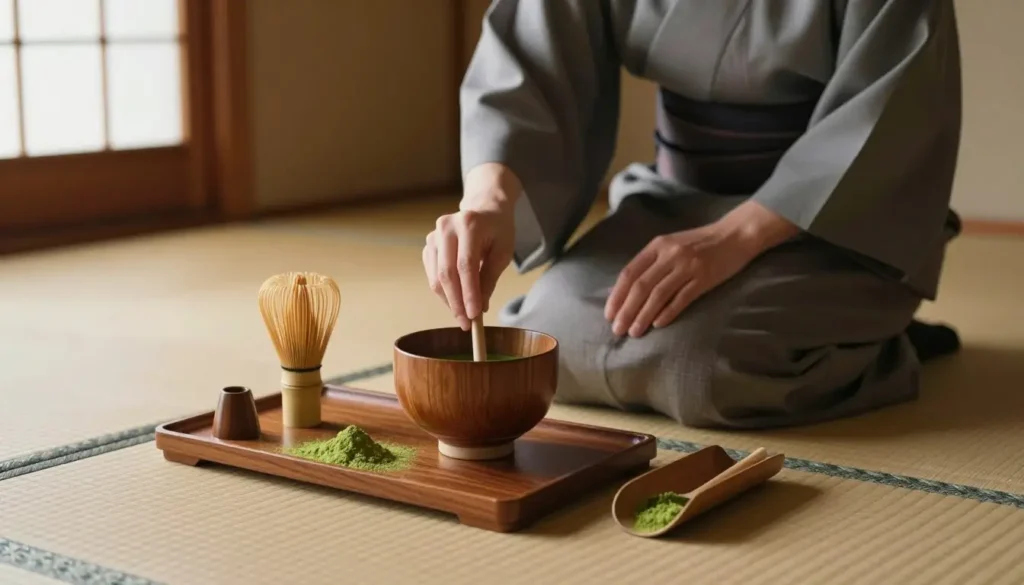
Traditional matcha is made by whisking matcha powder with hot water using a bamboo whisk called a chasen until a light foam forms on top.
The taste is smooth, earthy, slightly sweet, and much richer than regular green tea.
But for many people, the real appeal is the routine itself.
The process of slowing down, whisking the matcha, and taking a few quiet minutes in the morning can feel calming in a way that most rushed coffee routines do not, If you want to experience matcha in its purest form, this is the best place to start.
2. Matcha Latte
This simple drink is the one that converted millions of people and made matcha popular for a lot of beginners.
A matcha latte is simply matcha whisked or frothed with your choice of milk – from dairy, oat, almond, coconut, like whatever works for you and served either hot or iced.
The milk softens the earthy flavour of the matcha and adds a natural creaminess that makes the whole thing feel indulgent without actually being heavy.
In many matcha communities, oat milk has become the most popular pairing by far, the natural sweetness of oat milk complements the grassy, umami notes of matcha better than almost anything else. As well coconut milk adds a tropical richness that works beautifully too, especially in iced versions.
The matcha latte is the most beginner friendly way to get started. If you are not sure whether you like the flavour of matcha on its own yet, a latte gives you all the benefits with a much gentler introduction to the taste.
3. Iced Matcha
Trust me, if you walk into any trendy cafe between June and September and there is a very good chance iced matcha is one of the top sellers on the menu. And for good reason.
Iced matcha is exactly what it sounds like, matcha prepared with a small amount of hot water to dissolve the powder properly, then poured over a glass packed with ice and topped with cold milk. The result is always a yummy, vibrant, refreshing drink that looks as good as it tastes and hits completely differently on a warm sunny day.
Not only that, the visual contrast of the deep green matcha sinking through white milk over ice has made iced matcha one of the most photographed drinks on social media, and that aesthetic appeal has genuinely driven a lot of first time matcha drinkers to try it simply because it looked too good not to try.
But beyond the looks, iced matcha delivers the same calm focused energy as any other preparation, just cold, refreshing, and perfect for the kind of day where a hot drink is the last thing you want.
4. Matcha Strawberry
If you have spent any time on TikTok, Instagram or Pinterest recently, you have seen this one, that gorgeous layered deep green matcha sitting beneath a lovely pink strawberry mixture, sometimes with milk in between, looking almost too pretty to disturb.
The matcha strawberry combination has completely taken over cafe culture and home recipe videos, and the reason it works so well is not just visual, the flavour pairing is genuinely brilliant, while the natural tartness and sweetness of fresh or pureed strawberries cuts right through the earthy bitterness of matcha and creates a balance that feels fresh, fruity, and satisfying in a way that neither ingredient achieves completely on its own.
Cafes started putting it on menus almost experimentally and it became an instant bestseller, many home creators started making their own versions, some with strawberry puree, some with strawberry milk, some layered and some blended, and the variations kept coming.
Starbucks launched their own version and it sold out in locations across multiple countries within days of launching, though beyond the trend, matcha strawberry is genuinely one of the best entry points for people who are not sure they like matcha yet.
The strawberry does enough heavy lifting on the flavour side that the matcha earthy notes become background warmth rather than the main event, and most people who try it end up loving it even if they were skeptical about matcha before.
If you have been curious but hesitant, the matcha strawberry is honestly the place to start.
5. Matcha in Cooking and Baking
This is where culinary grade matcha earns its place, and the range of what people are doing with it in the kitchen is genuinely impressive.
Matcha has found its way into smoothies, overnight oats, pancake batters, energy balls, granola, ice cream, cheesecakes, brownies, cookies, and even pasta.
The bold earthy flavour of culinary grade matcha holds up well against other strong ingredients and adds a distinctive colour and depth that makes food look and taste more interesting.
Matcha overnight oats have become a popular breakfast choice for people who want the benefits of matcha without drinking it. Just a teaspoon stirred into oats with milk and left overnight creates a nutritious, slightly earthy breakfast that pairs beautifully with fresh fruit on top.
Matcha energy balls are typically made with oats, honey, nut butter, and a spoon of matcha powder, and have become a go-to snack in many communities because they are quick to make, genuinely filling, and deliver a gentle energy boost without any caffeine spike.
And matcha ice cream, whether homemade or store bought, has been a staple in Japanese cuisine for decades and is finally getting the global recognition it deserves. The bitterness of the matcha against the sweetness of the cream base is one of those flavour combinations that sounds like it should not work and then absolutely does.
6. Matcha in Skincare
If drinking matcha delivers powerful anti-inflammatory and antioxidant benefits internally, applying it externally follows the same logic, and the skincare world has caught on.
I was shocked when I saw matcha face masks, matcha cleansers, and matcha infused serums showing up across beauty brands both indie and mainstream.
The EGCG antioxidants in matcha fight free radicals on the skin’s surface, help calm redness and irritation, and have shown promise in reducing the kind of environmental damage that accelerates visible aging.
For people dealing with acne prone or sensitive skin, matcha based skincare products have become particularly popular because of how gently they work. No harsh chemicals, or aggressive exfoliants, just concentrated plant power doing what it does best.
And for the truly committed matcha enthusiasts, a simple DIY matcha face mask made from culinary grade powder mixed with a little honey or plain yoghurt has become a weekend skincare ritual that costs almost nothing and delivers real results over time.
How To Get Started With Matcha – Even If You Have Never Tried It Before
Okay, now that you are interested in starting matcha. Maybe you have been interested for a while. But every time you think about actually buying matcha and making it at home, something stops you, or maybe you are not sure what to buy, or probably you tried it once somewhere and it tasted like grass and you swore you would never do that to yourself again.
All of that is completely valid, and all of it is fixable. Getting started with matcha is genuinely simpler than how most people complicate it.
You do not need a full Japanese tea set, an expensive whisk collection, or any form of certificate before starting, all you need is the right information and a little bit of patience with yourself while you find what works for you.
Here is everything you need to know to get your first cup of matcha right.
The good news is that the basic matcha setup requires very little. Here is what actually matters:
1. Matcha powder
This is obviously the most important part, for beginners, a premium grade matcha like matcha extreme is the best starting point. It is high enough quality to taste good on its own or in a latte, accessible enough in price to use daily without stress, and forgiving enough for someone still finding their feet with the flavour.
If ceremonial grade is within your budget and you want the purest experience from day one, go for it. Just avoid the cheapest culinary grade options for drinking, save those for recipes.
2. Hot water – Not boiling.
One of the most common mistakes beginners make and it is the reason a lot of first cups taste bitter or unpleasant. Matcha needs water between 70 and 80 degrees Celsius.
If you do not have a temperature controlled kettle, simply boil your water and let it sit for about three to five minutes before using it. That small step makes a surprisingly big difference to the taste.
3. A frother or bamboo whisk
You need something to properly mix the matcha powder into the water so it dissolves completely rather than sitting in clumps at the bottom of your cup. A small handheld milk frother works perfectly for beginners and costs very little.
A traditional bamboo whisk called a chasen gives you a smoother, slightly more authentic result if you want to invest in one eventually.
Either works well, just do not skip this step and try to stir it with a spoon. It will not dissolve properly and the experience might be disappointing.
4. Your milk of choice
If you are making a latte, oat milk is the many users’ favourite. It is naturally sweet, creamy, and complements the flavour of matcha better than most alternatives. But almond milk, coconut milk, and regular dairy all work well depending on your preference.
That is genuinely all you need. No overhype equipment, no expensive tools, no special skills.
Your First Matcha Cup In Step by Step
Making matcha for the first time does not need to be intimidating. Follow these four steps and you will have a great first cup:
Step 1 – Add one teaspoon of your matcha powder, roughly two grams, into your cup or bowl. Matcha powder clumps easily, so if you have a small sifter, use it. If not, simply break up any visible clumps with your whisk or frother before adding water.
Step 2 – Add your hot water, pour in about 60 to 80ml of hot water that has cooled to around 70 to 80 degrees Celsius. Start small because you are creating a concentrate first, not filling the whole cup yet.
Step 3 – Whisk it properly, using your frother or bamboo whisk, mix the matcha and water together in a quick or W motion, until the powder is fully dissolved and a light froth forms on the surface. This takes about 20 to 30 seconds. When it looks smooth and slightly foamy on top, you are there.
Step 4 – Finish your drink. If you are drinking it as traditional matcha tea, your cup is ready right now, just sip it as it is. If you are making a latte, pour your steamed or frothed milk over the matcha concentrate and stir gently.
For an iced version, pour the concentrate over a glass packed with ice and add cold milk on top, that is it. Four steps. Your first cup of matcha is done.
Beginner Tips Worth Knowing Before Making Your Matcha
A few things nobody tells you before you start, but that make a real difference:
- Start with a latte before you go plain, the milk softens the earthy flavour and gives you time to fall in love with the taste gradually before you are ready to appreciate it on its own. Most people who say they do not like matcha tried it plain with low quality powder and water that was too hot. Such a combination would put anyone off.
- Buy less and buy better. A small tin of high quality matcha will serve you far better than a large bag of cheap powder, the colour should be bright and vibrant green, take note of dull, yellowish, or khaki. Dull colour is almost always a sign of lower quality or older stock.
- Store it properly once opened, keep your matcha in an airtight container away from light, heat, and moisture. Matcha oxidises quickly when exposed to air and its flavour and colour will degrade faster than you expect if it is not stored carefully.
- Try the matcha strawberry if you are still on the fence. As we mentioned earlier, the sweetness of the strawberry does a lot of the heavy lifting and makes the whole experience feel approachable and fun. It is one of the most enjoyable ways to get comfortable with the flavour before exploring it further.
- And finally, give it time. Matcha is not a one cup miracle. The health benefits that people talk about most, the better sleep, the gut changes, the calmer skin, the steadier energy and these build gradually over weeks of consistent use.
Your first cup might not blow your mind. But your thirtieth cup might just change your morning routine for good.
Frequently Asked Questions About Matcha
What Is Matcha Good For?
Matcha is good for many things as part of what i have explained earlier, at its core, matcha supports sustained energy without the anxiety and crash that comes with coffee. Not only that, feedback from consistent matcha consumers report better mental clarity and focus, improved digestion, calmer skin, reduced stress levels, and stronger immune function over time.
What Is the Matcha Plant?
Matcha comes from a plant called Camellia sinensis, it is the same plant that gives us all true teas including green tea, black tea, and white tea. What makes matcha different is not the plant itself but the way it is grown and processed and prepared.
Is Matcha Better for You Than Coffee?
If you are thinking about whether to continue your coffee or go for matcha, don’t stress yourself, my advice is that it depends on what you are looking for.
Coffee has a higher caffeine hit and a faster energy spike, but on the other hand, if you want sustained energy that does not leave you anxious, jittery, or crashing by mid morning, matcha has a clear advantage.
From a nutritional standpoint, matcha also carries significantly more antioxidants, supports gut health, and has anti-inflammatory properties that coffee does not offer in the same way.
For people who love coffee but struggle with the anxiety, heart palpitations, or sleep disruption that sometimes comes with it, matcha tends to be a genuinely better fit for their body.
Neither is the enemy. But for overall wellbeing and how your body feels throughout the day, matcha has an edge that is hard to argue with.
Is It Okay to Drink Matcha Tea Every Day?
Yes, and for most people, drinking matcha every day is actually where the real benefits show up.
One to two cups daily is the sweet spot for most healthy adults. At that amount you are getting a meaningful dose of antioxidants, L-theanine, and all the other good stuff matcha delivers without pushing into territory where the caffeine becomes a concern.
85% of the people who notice the biggest changes, better digestion, steadier energy, calmer stress response, improved skin, are those who drink it consistently rather than occasionally.
What Is the Best Time to Drink Matcha?
The two best windows for matcha are in the morning after breakfast and in the early afternoon around the 1pm to 3pm mark.
Drinking it in the morning gives you a clean, focused start to your day without the aggressive spike and subsequent crash that often comes with coffee on an empty stomach.
Having it after breakfast rather than before means your body has something to work with, which also helps avoid any nausea that some people experience when they drink matcha without food.
It is advisable to avoid drinking matcha after 3pm if you are sensitive to caffeine. Even though the energy from matcha is smoother than coffee, the little caffeine there might make falling asleep harder than it needs to be.
Is It Okay to Drink Matcha on an Empty Stomach?
Drinking matcha on an empty stomach depends on how your body reacts or is sensitive to caffeine.
If you are new to matcha, the safest and most enjoyable approach is to have it after a light meal or at least a small snack. Once you know how your body responds to it, you can experiment with timing and find what works best for you personally.
The general guidance from most nutritionists is to pair matcha with food, especially in the beginning, not because matcha is harmful on its own, but because your body absorbs it better and responds more comfortably when there is something else in your stomach alongside it.
Which Type of Matcha Is Sweet?
Ceremonial grade matcha is the sweetest and smoothest of all the grades, and that natural sweetness comes directly from its high L-theanine content and low tannin levels, both of which are a result of the shade-growing process the plants go through before harvest.
Premium grade matcha is still pleasant and mild but sits slightly less sweet than ceremonial.
What Is the Difference Between Green Tea and Matcha?
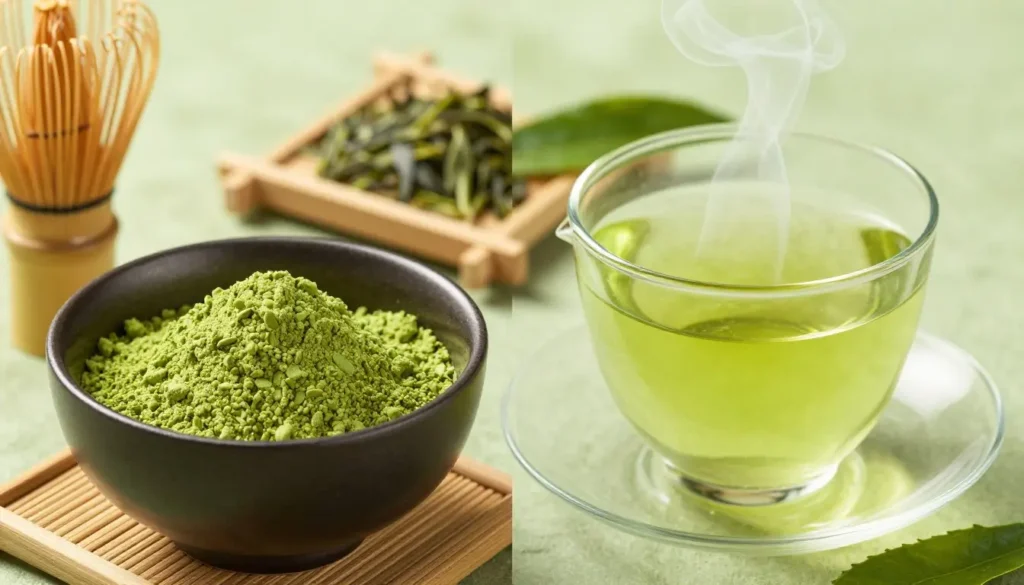
Both come from the same plant Camellia sinensis, but they are two completely different experiences in terms of preparation, potency, and what your body actually receives from them.
With regular green tea, you steep dried leaves in hot water, remove the leaves, and drink the infused water. You are essentially getting a diluted extract of what those leaves contain. With matcha, the entire leaf is ground into powder and whisked directly into your water for consumption.
That difference in preparation translates to a significant difference in nutritional value, matcha has proven to deliver up to three times more antioxidants than regular brewed green tea and roughly ten times more polyphenols.
Why Is Matcha Trending Right Now?
The honest answer is that several things all happened at the same time and matcha was perfectly positioned to benefit from all of them.
A growing number of people started looking for an alternative to coffee that did not come with the anxiety, the jitters, or the afternoon crash. Matcha filled that gap in a way nothing else quite did.
Now let us bring this whole thing home.
Conclusion
If you have been curious or wondering if to start drinking matcha, I’m sure you now know what matcha is and where it actually comes from.
You know the difference between ceremonial, premium, and culinary grade and which one makes sense for what you want to do with it.
You know what it is quietly doing to your body that most articles never bother to tell you, the better sleep, the gut changes, the calmer stress response, the skin benefits that build slowly over time.
The popular ways people are using it every day, from a simple traditional cup to that gorgeous strawberry matcha that has taken over every cafe menu worth visiting. And you know exactly how to get started without wasting money or getting it wrong.
Matcha is not complicated, it is not just for influencers or people with expensive morning routines. It is for anyone who wants to feel a little more focused, a little more calm, and a little more in control of how they show up every day.
It has been doing that for people for over a thousand years. And the reason it is still here, still growing, still finding new fans, and still surprising people with what it does, all because it works.
You do not need to change or disturb your entire routine or commit to anything dramatic.
All you need is one cup, the right matcha powder, the right temperature, a frother and two minutes of your morning.
Start there. See how you feel, then give it a few weeks of consistency and pay attention to what changes.
Ready to try matcha for yourself? Start with a premium or ceremonial grade powder, keep it simple, and give your body a few weeks to show you what consistent matcha can actually do.
If you found this guide helpful, share it with someone who has been curious about matcha but did not know where to begin.
And if you have already tried matcha, especially that matcha strawberry, drop a comment below and tell us what your experience has been like. We would genuinely love to hear it.
Your matcha era starts now.